
"is the earliest method."
2000 article(s) found

The characteristics and Market of Cuban Coffee
According to records, there were 2067 coffee plantations in Cuba in 1833. Among them, the earliest seven coffee plantation sites, such as Raglan Piedra, Elkovre, El Salvador and Nisto Perez, are listed as World Cultural Heritage. These seven coffee plantations are located in the foothills of Maestra in the provinces of Santiago and Guantanamo in southeastern Cuba in the 19th century (figure 17 is a postcard).

Basic knowledge of boutique coffee Cuban coffee
According to records, there were 2067 coffee plantations in Cuba in 1833. Among them, the earliest seven coffee plantation sites, such as Raglan Piedra, Elkovre, El Salvador and Nisto Perez, are listed as World Cultural Heritage. These seven coffee plantations are located in the foothills of Maestra in the provinces of Santiago and Guantanamo in southeastern Cuba in the 19th century (figure 17 is a postcard).
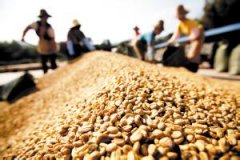
High-quality coffee bean producing countries introduce Cuban coffee
According to records, there were 2067 coffee plantations in Cuba in 1833. Among them, the earliest seven coffee plantation sites, such as Raglan Piedra, Elkovre, El Salvador and Nisto Perez, are listed as World Cultural Heritage. These seven coffee plantations are located in the foothills of Maestra in the provinces of Santiago and Guantanamo in southeastern Cuba in the 19th century (figure 17 is a postcard).

Global coffee producing area-Cuba
According to records, there were 2067 coffee plantations in Cuba in 1833. Among them, the earliest seven coffee plantation sites, such as Raglan Piedra, Elkovre, El Salvador and Nisto Perez, are listed as World Cultural Heritage. These seven coffee plantations are located in the foothills of Maestra in the provinces of Santiago and Guantanamo in southeastern Cuba in the 19th century (figure 17 is a postcard).

Coffee flavors from different coffee producing areas around the world Coffee production in Cuba
Cuba recorded that there were 2067 coffee plantations in Cuba in 1833. Among them, the earliest seven coffee plantation sites, such as Raglan Piedra, Elkovre, El Salvador and Nisto Perez, are listed as World Cultural Heritage. The seven coffee plantations are the foothills of the Maestra Mountains in the provinces of Santiago and Guantanamo in southeastern Cuba in the 19th century (figure 17 is a postcard).
Coffee producing areas in Cuba
The establishment of the earliest seven coffee plantation sites, including Raglan Piedra, Elkovre, El Salvador and Nisto Perez, are listed as World Cultural Heritage. The seven coffee plantations were reclaimed in the 19th century on virgin land in the foothills of Maestra (postcard in figure 17) in the southeastern provinces of Santiago and Guantanamo. Coffee production in Cuba: Cuba (Cuba)

Coffee production in Cuba
In 1833, Cuba had 2067 coffee plantations. Among them, seven coffee plantation sites, such as La Gran Piedra, Elkofre, El Salvador and Nisto Perez, which were the earliest established coffee plantations, are listed as world cultural heritage sites. These seven coffee plantations were established in the 19th century in the foothills of Maestra in the provinces of Santiago and Guantanamo in southeastern Cuba (postcard in Figure 17).

Cuban boutique coffee introduces Cuban coffee flavor Cuban coffee characteristics Cuban coffee taste Cuba
Cuba recorded that there were 2067 coffee plantations in Cuba in 1833. Among them, the earliest seven coffee plantation sites, such as Raglan Piedra, Elkovre, El Salvador and Nisto Perez, are listed as World Cultural Heritage. The seven coffee plantations are the foothills of the Maestra Mountains in the provinces of Santiago and Guantanamo in southeastern Cuba in the 19th century (figure 17 is a postcard).

Introduction to the varieties of Grinding scale in the Flavor production area of Tanzania Coffee Bean
Introduction to the characteristics of Tanzanian coffee beans the variety of grinding scale in flavor producing area Tanzania is also often compared with its nearest neighbor Kenya. It is said that the earliest Arabica coffee in Tanzania was introduced by Christians from Kenya and is similar to Kenya in flavor characteristics. With grapefruit aromas and soft and bright acidity. But because of Tanzania's

Guatemala Antigua Coffee History Share Guatemala Coffee Best Hand Brewing Method Brief
Professional coffee knowledge exchange More coffee bean information, please pay attention to coffee workshop (Weixin Official Accounts cafe_style) Front Street-Guatemala Antigua History Brief Introduction Antigua Guatemala Ancient City, which was listed in the earliest World Heritage List published by UNESCO in 1979, is better than Acropolis, Taj Mahal, Angkor Wat, etc.

What is a cup of coffee? What is the difference between single coffee and black coffee? the development history of single coffee.
The earliest single coffee is synonymous with black coffee. It is pure coffee, without adding milk, sugar, syrup and so on. Cantonese for "Zaifen". Because the previous coffee varieties and coffee brewing techniques were underdeveloped, it was difficult to swallow without adding some sugar and milk, so that the definition of individual coffee was extended.
Arabian coffee culture
As the first place in the world to consume and produce coffee, Arab coffee culture is as old and old as its coffee coffee history. In the Arab region, people still retain the ancient tradition and research on the way coffee is tasted, used, used, and used in terms of coffee quality, usage, environment and environment. Because Arabian coffee culture is the earliest in the world.

Description of bitter and sweet flavor of Jamaican coffee beans introduction to the method of regional treatment of varieties produced by grinding scale
The earliest coffee on the island of Jamaica came from Haiti in Latin America in 1728. By 1790, some coffee farmers among the refugees in exile from Haiti had settled in the Blue Mountains and brought coffee-growing technology here. In 1838, Jamaica abolished slavery and allowed liberated slaves to cultivate their own land. Free slaves moved to the mountains to specialize in planting.

The most common types of coffee beans, the characteristics of coffee varieties, the description and treatment of brand flavor
Due to the spread of coffee in different areas, the age of development is also different, ethnic groups or including religious beliefs are also different, so different regions retain different methods of making and drinking coffee. The earliest was Turkish coffee; then there was filtered coffee, Italian espresso (Espresso), and so on. This classification concept mainly refers to the selection of different coffee beans.

A brief introduction to the varieties of coffee beans-how many countries have planted coffee trees
Due to the spread of coffee in different areas, the age of development is also different, ethnic groups or including religious beliefs are also different, so different regions retain different methods of making and drinking coffee. The earliest was Turkish coffee; then there was filtered coffee, Italian espresso (Espresso), and so on. This classification concept mainly refers to the selection of different coffee beans.

The method and principle of Espresso prepreg the prepreg function is natural.
Pull rod prepreg has existed since the birth of espresso, and it is not a new thing invented in modern times. For the earliest pull-rod machines, the prepreg function was natural. When making coffee, pull down the lever (lever), lift the piston, hot water enters the cavity and filter bowl, and the hot water comes into contact with the coffee cake and begins to presoak. Keep the pull rod until the desired presoaking time.

The presoaking method and principle of the basic knowledge of espresso Espresso
Pull rod prepreg has existed since the birth of espresso, and it is not a new thing invented in modern times. For the earliest pull-rod machines, the prepreg function was natural. When making coffee, pull down the lever (lever), lift the piston, hot water enters the cavity and filter bowl, and the hot water comes into contact with the coffee cake and begins to presoak. Keep the pull rod until the desired presoaking time.

Introduction of Robusta Coffee in Vizcaya Vescaya Manor, San Marcos, Guatemala
Exchange of professional baristas Please follow Coffee Workshop (Wechat official account cafe_style) Vescaya Manor Information Climate altitude planting Environment treatment introduction Vizcaya Coffee Manor is located in the earliest producing area in Guatemala and has been famous for its high quality coffee for two hundred years. Coffee at Vizcaya Manor grows on ridges ranging from 1300 m to 1800 m above sea level at a temperature of 21.
Any of several common dairy products used to match coffee.
The earliest encounter between coffee and milk dates back to the 17th century. It is said that Turks never drink milk in their coffee because they are generally lactose intolerant. Later, a Venetian named Johamnes Diodato invented this method, and he is also the now famous inventor of praises bread. At present, there are many dairy products on the market that can be paired with coffee.
The choice of dairy products as the best companion for coffee
The earliest encounter between coffee and milk dates back to the 17th century. It is said that Turks never drink milk in their coffee because they are generally lactose intolerant. Later, a Venetian named Johamnes Diodato invented this method, and he is also the now famous inventor of praises bread. At present, there are many dairy products on the market that can be paired with coffee.